
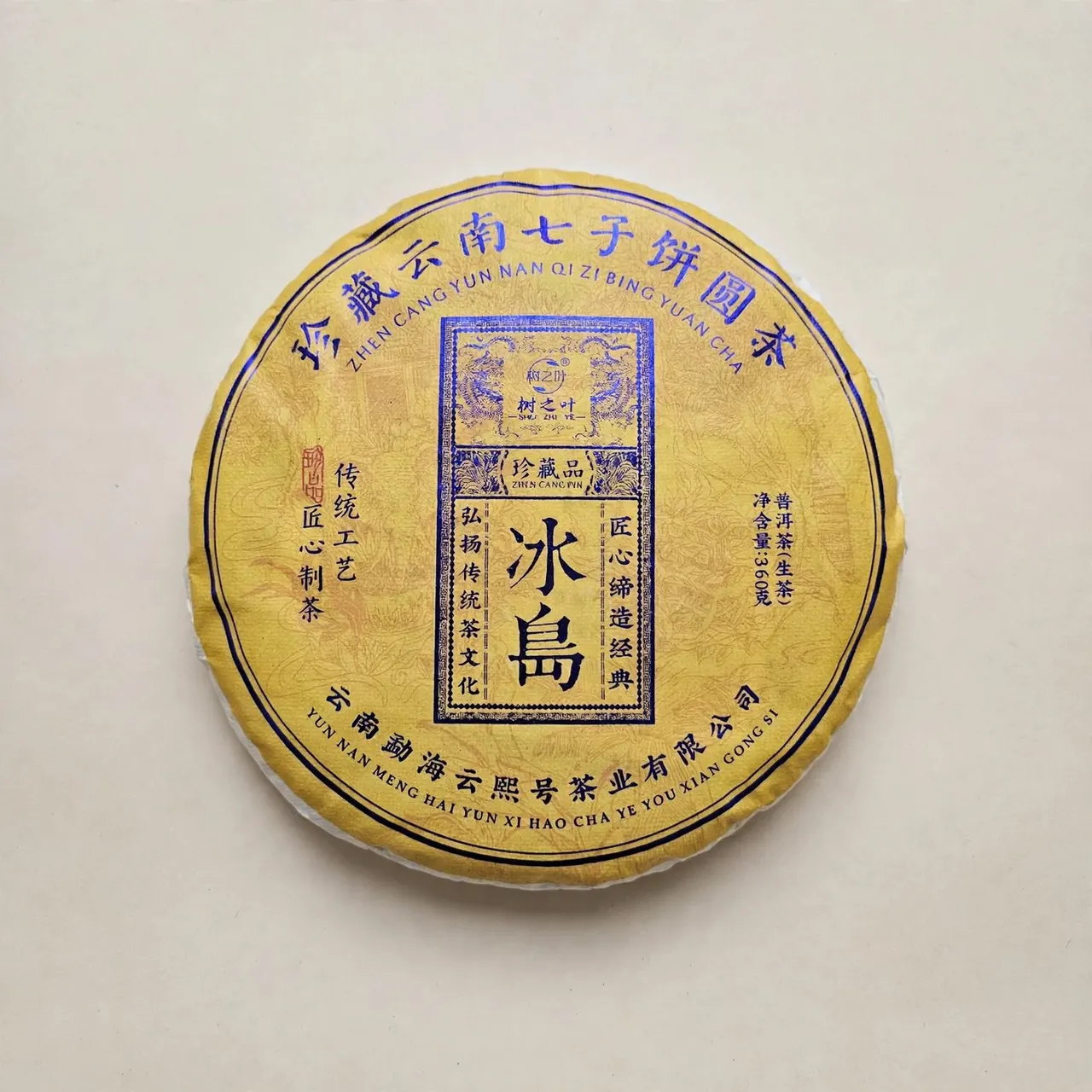
$25.15
Bingdao, Ban Zhang, Yiwu: Telling the Famous Mountains Apart
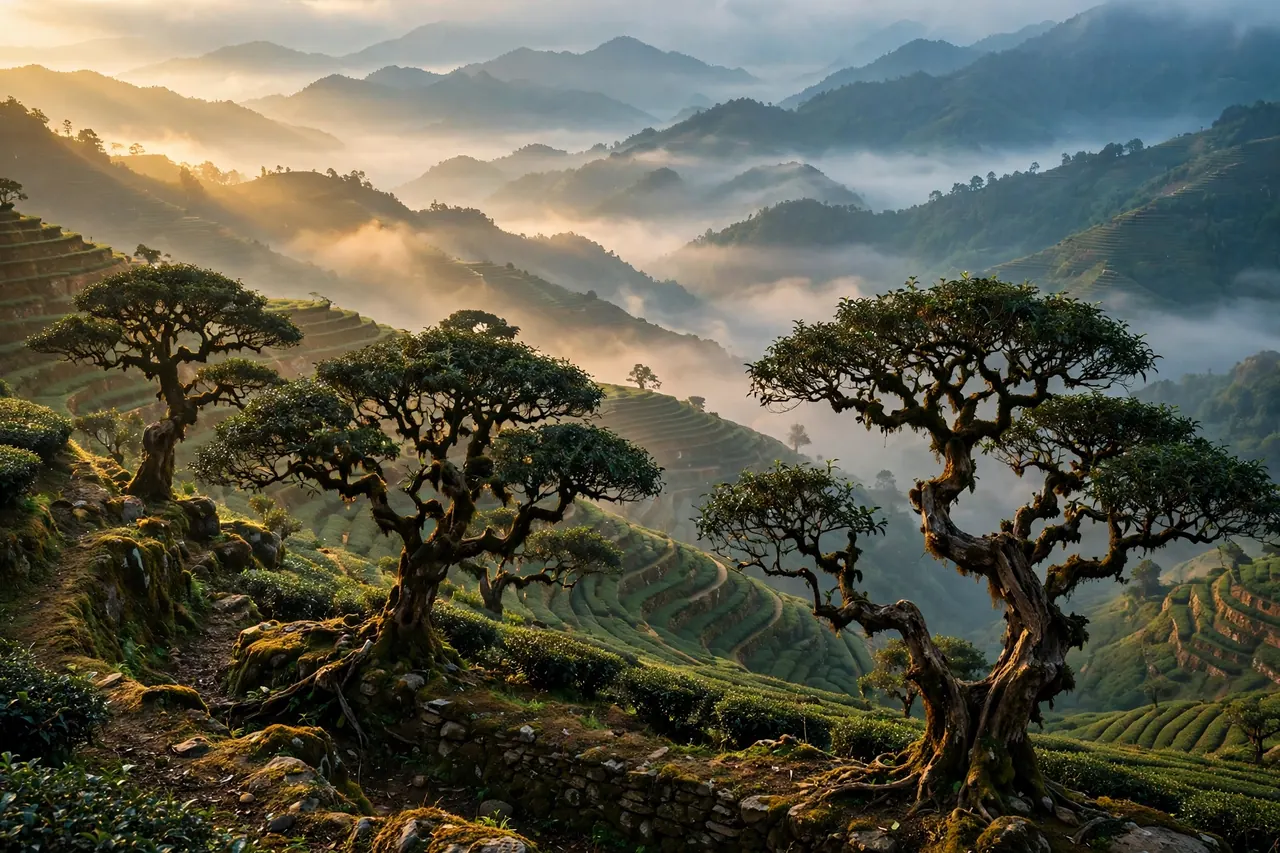
Yunnan has a lot of tea mountains, and the teas really do taste different from one to the next. That is not marketing — it is soil and cultivar, right there in the cup. Here are the names people ask about most, and what sets them apart.
Bingdao, a mountain area in Mengku, Lincang. Its signature is sweetness: a clear rock-sugar sweetness on the palate, delicate aroma, fine-textured liquor. Gentle in character — the pick for people who like a clean, sweet cup, and the tea many call the ceiling for beginners.
Ban Zhang, around Bulang Mountain in Menghai. Its signature is force: full-bodied and powerful, thick on entry, with bitterness that melts fast and a returning sweetness that hits hard. That is exactly how Lao Ban Zhang earned its name. For drinkers who want it strong and satisfying.
Yiwu, the classic producing area of Xishuangbanna. Its signature is elegance: floral-honey aroma, silky liquor, sweetness wrapped in softness. Gua Feng Zhai and Ma Hei both come from the Yiwu area and are its two most reliable villages.
Bulang Mountain — Ban Zhang itself sits inside the greater Bulang area. Bulang teas are mellow and full, with a clear wild-mountain character; a great deal of ripe pu-erh is made from them, smooth and long-steeping.
Nan Nuo Mountain, an old tea mountain in Menghai. Its signature is high fragrance: lifted aroma, clean sweetness, and prices that stay friendly — an excellent everyday drinker.
Splitting teas by mountain is not about pushing prices up; it is about matching the tea to your palate. Sweet and smooth: Bingdao. Bold and strong: Ban Zhang. Soft and elegant: Yiwu. Mellow and full: Bulang. High and fragrant: Nan Nuo. Narrow by taste first, then look at year and size, and it is hard to buy wrong.
Teas worth a look
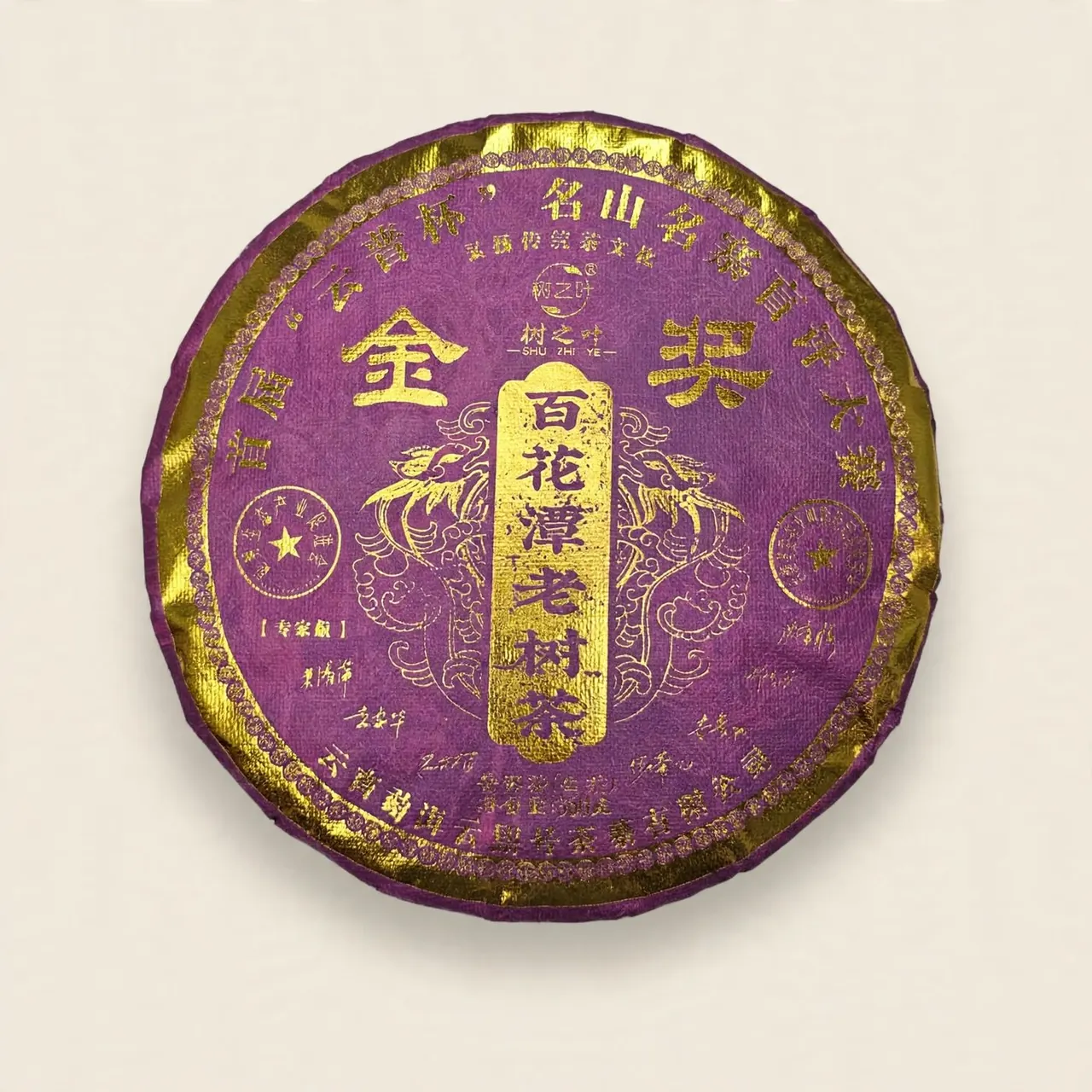
$25.15
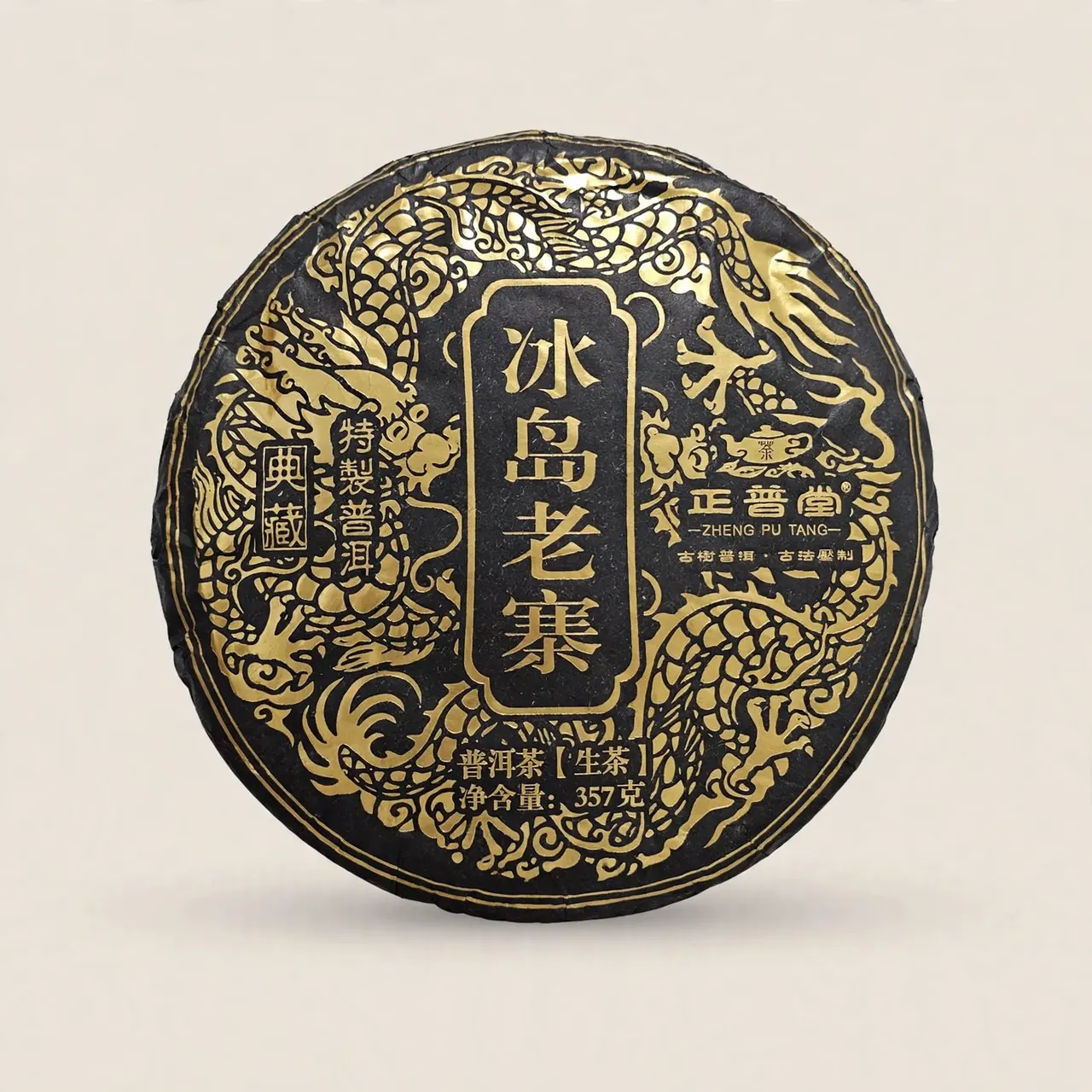
$26.65