
Tea Guide
Straight answers before you buy: how to store pu-erh, how to break a cake, raw vs ripe, and how the famous mountains differ.
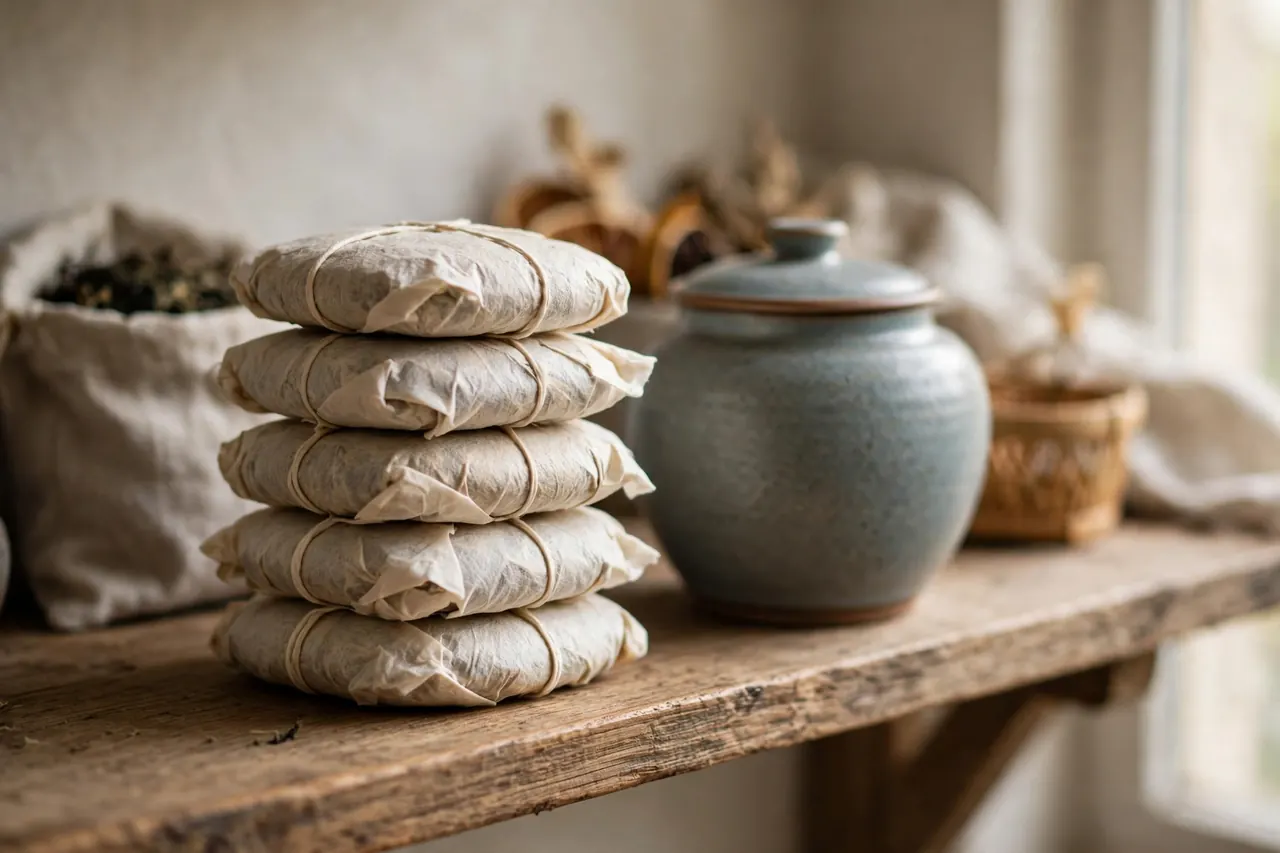
How to Store Pu-erh So It Keeps Its Flavour
Pu-erh bought home keeps getting better if you store it right — and even great tea is wast…
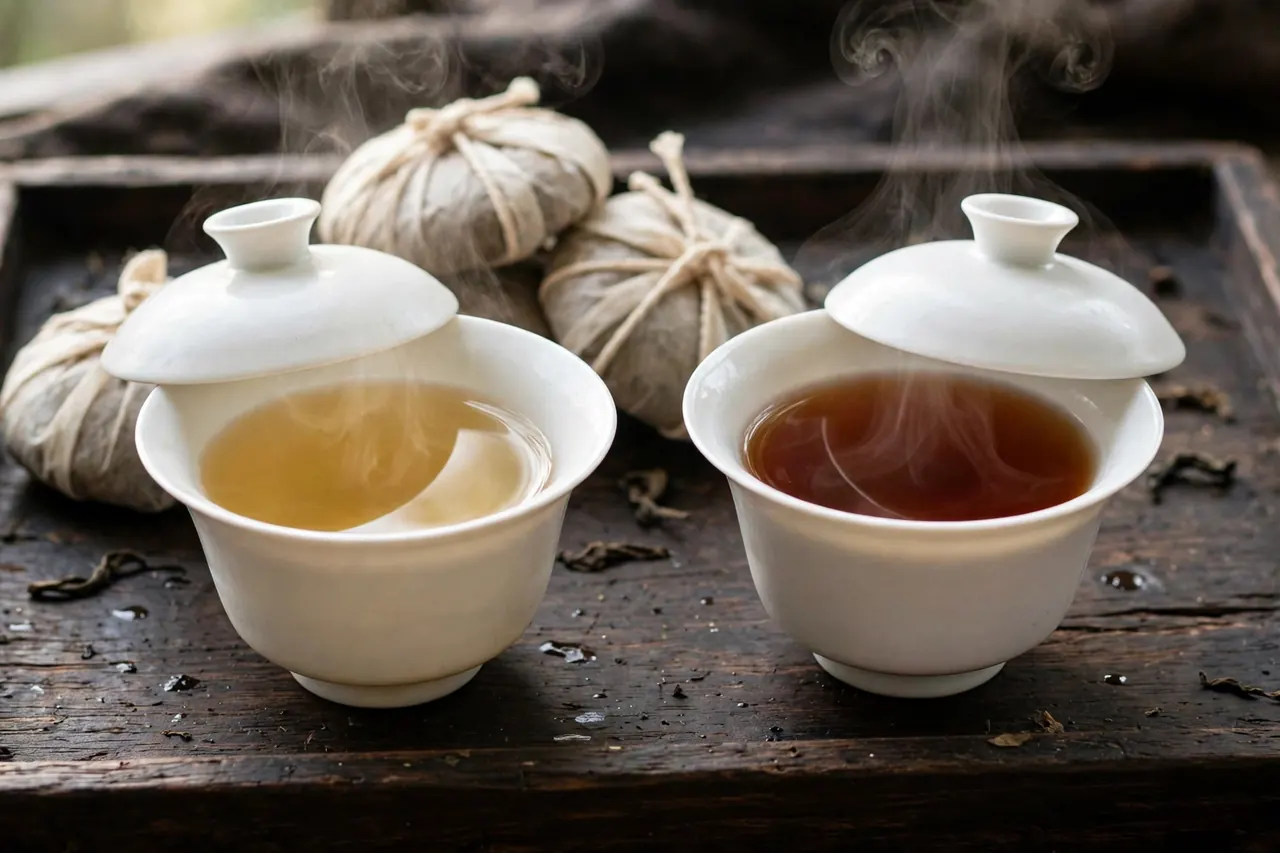
Raw and Ripe Pu-erh: What Is the Actual Difference?
Most first-time pu-erh buyers ask this first. The difference comes down to one step: ripe …

Bingdao, Ban Zhang, Yiwu: Telling the Famous Mountains Apart
Yunnan has a lot of tea mountains, and the teas really do taste different from one to the …
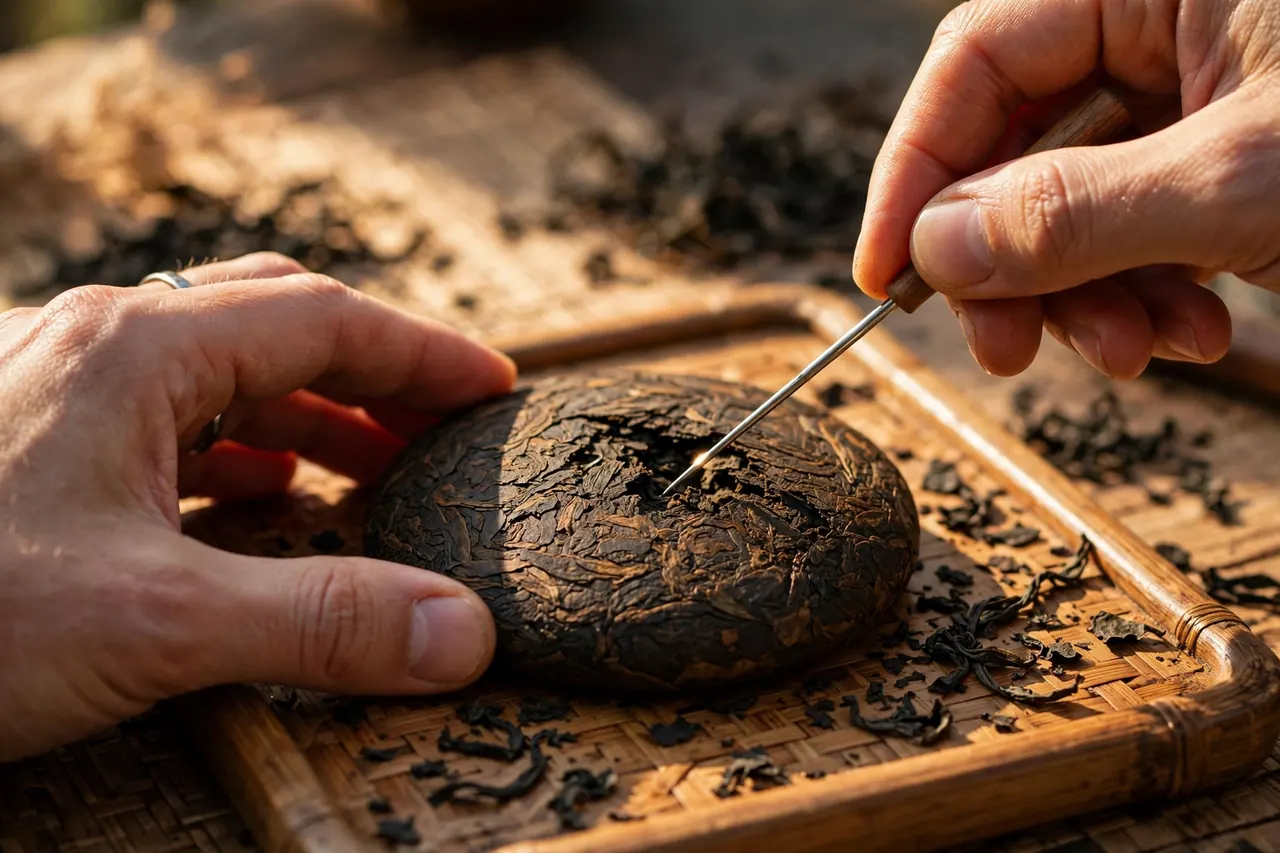
How to Break a Tea Cake (and Wrap It Back Up)
The first thing you do with a whole cake at home is break it. Break it well and the leaves…
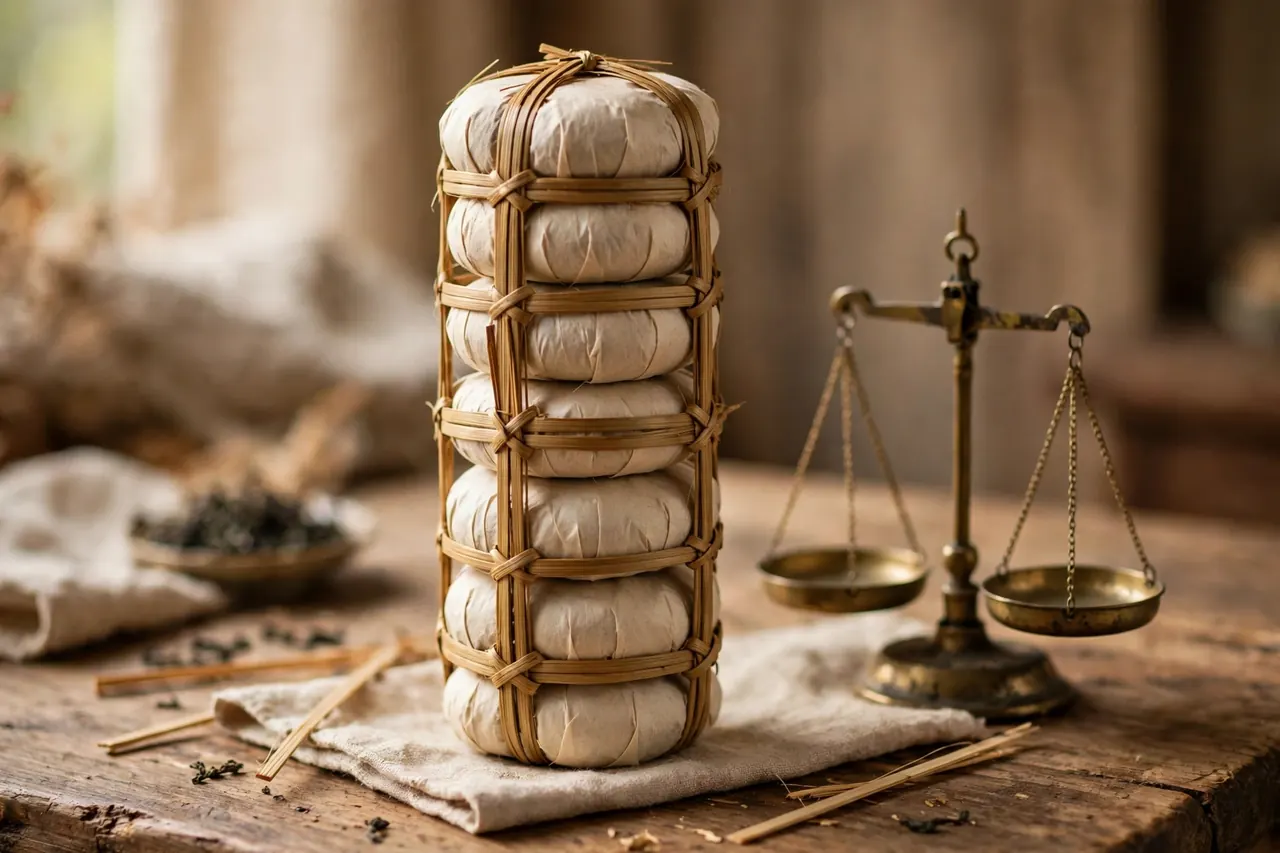
Why Is a Pu-erh Cake 357 Grams?
Anyone who buys pu-erh notices the number: 357 grams. It is not a figure the factory picke…
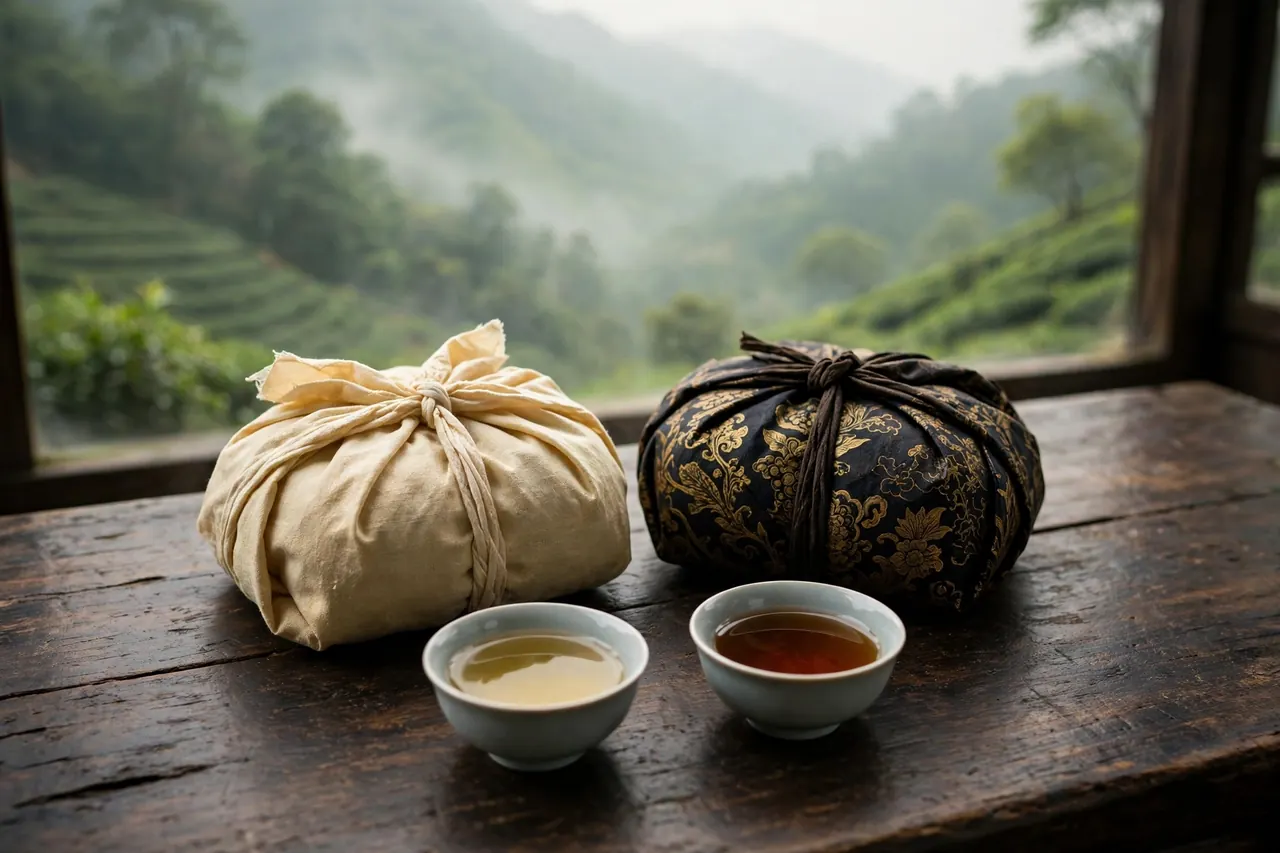
Bingdao or Ban Zhang? How to Choose Without Overpaying
Bingdao and Ban Zhang are the two names new pu-erh buyers hear most — and the two they hes…
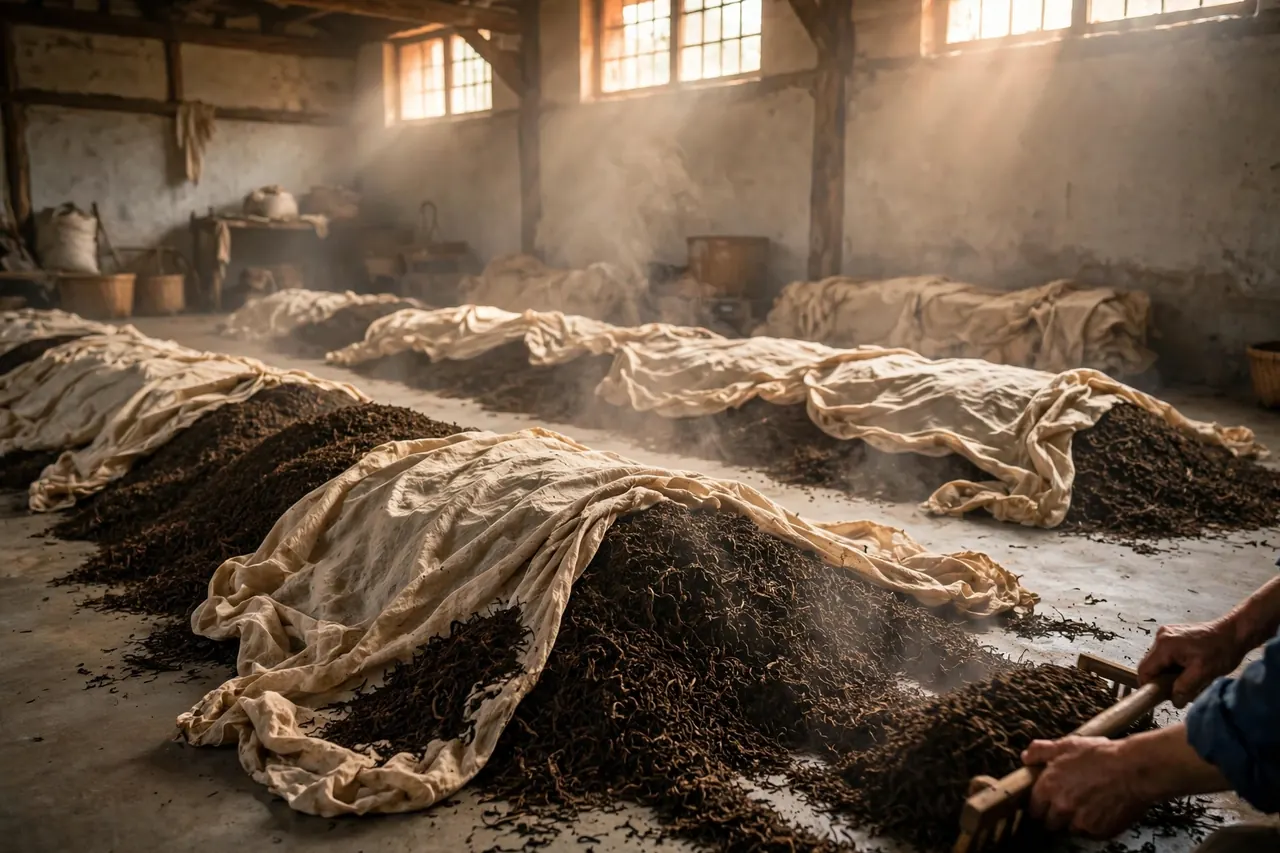
Pile Fermentation: How Ripe Pu-erh Is Actually Made
Every ripe pu-erh drinker eventually asks: the leaves are dark, the liquor is red-brown, t…
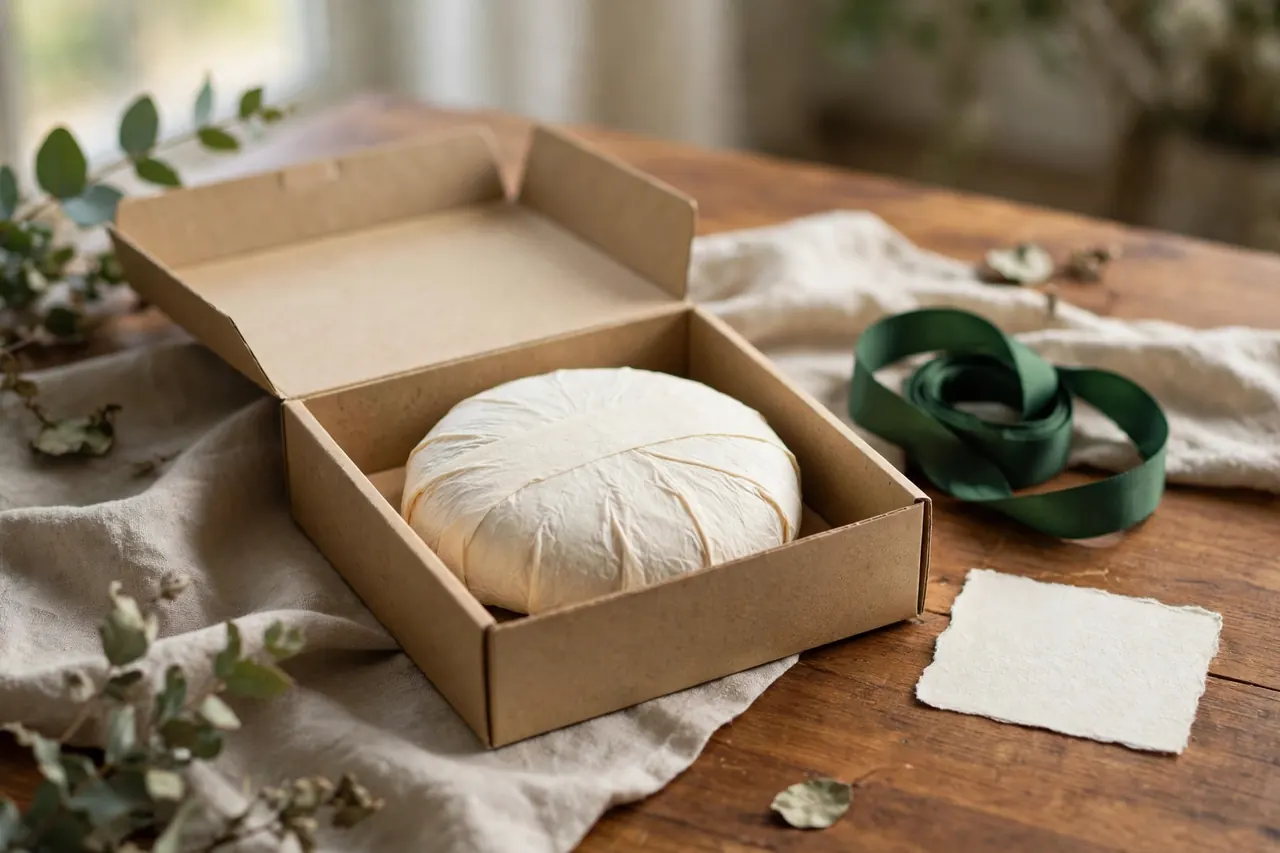
Giving Pu-erh as a Gift: How to Choose Well
Tea is a classic gift in Chinese business and family life, and pu-erh cakes are a particul…
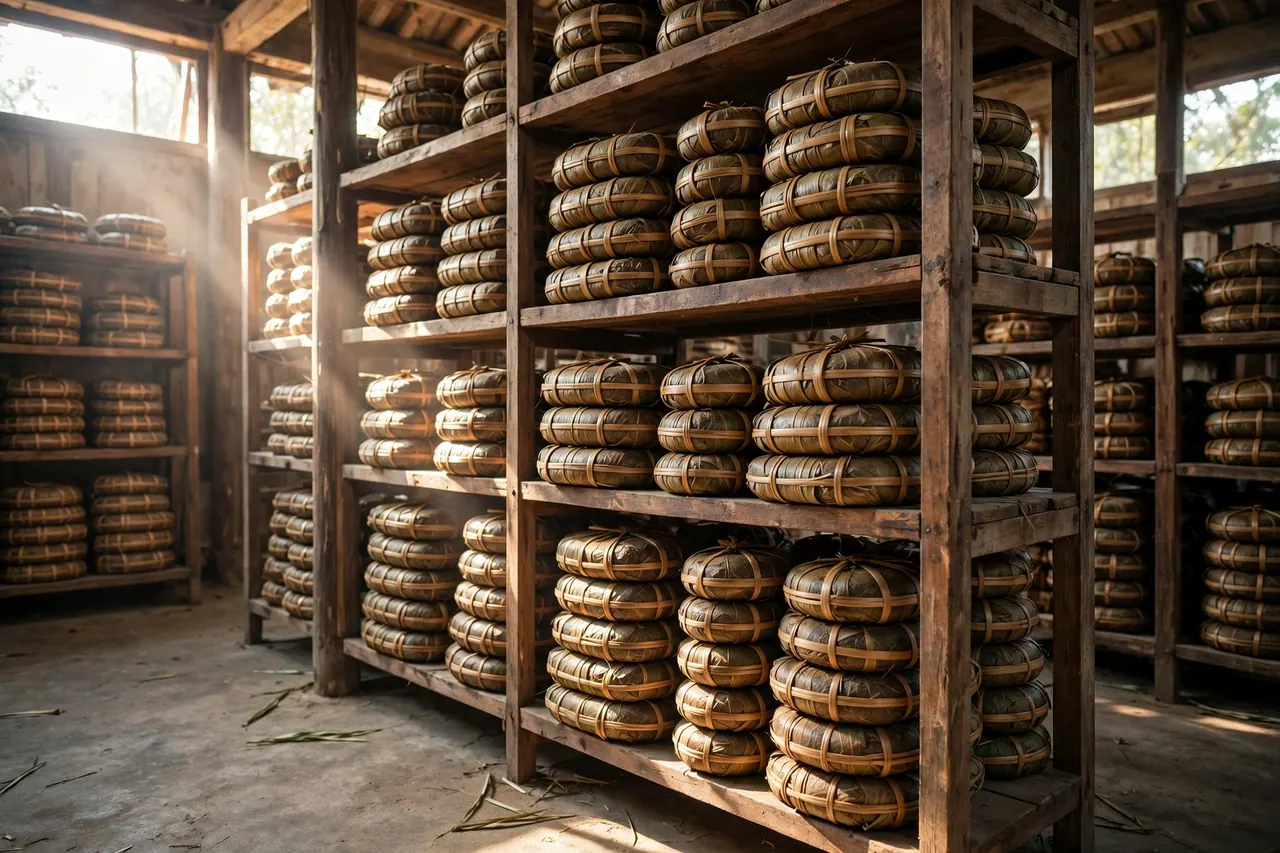
Dry Storage, Wet Storage, "Warehouse Tea": How Storage Shapes a Cake
Two cakes from the same batch can taste like different teas ten years later. The differenc…
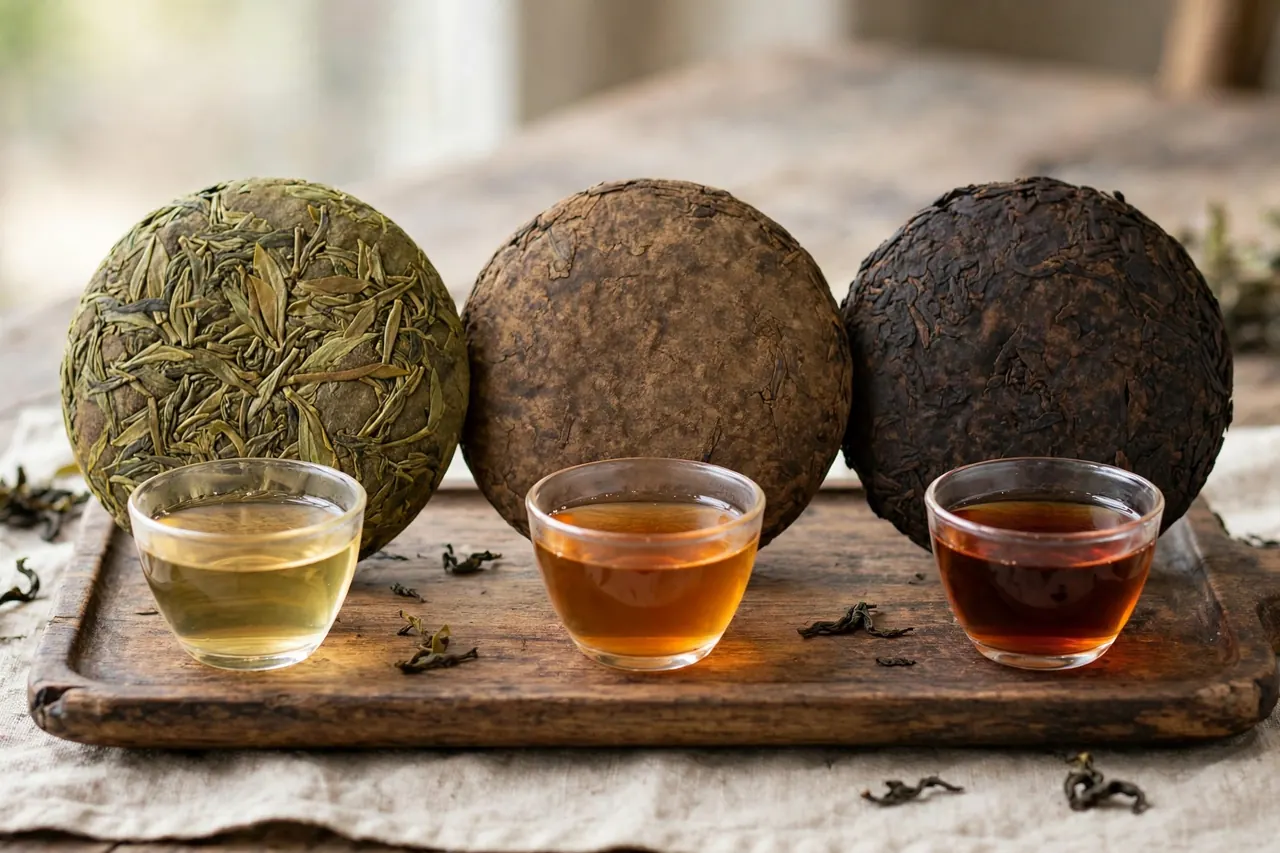
New Tea or Aged Tea? Choosing the Right Age of Pu-erh
Pu-erh is unusual among teas: the same cake is sold young, middle-aged and old, at very di…