
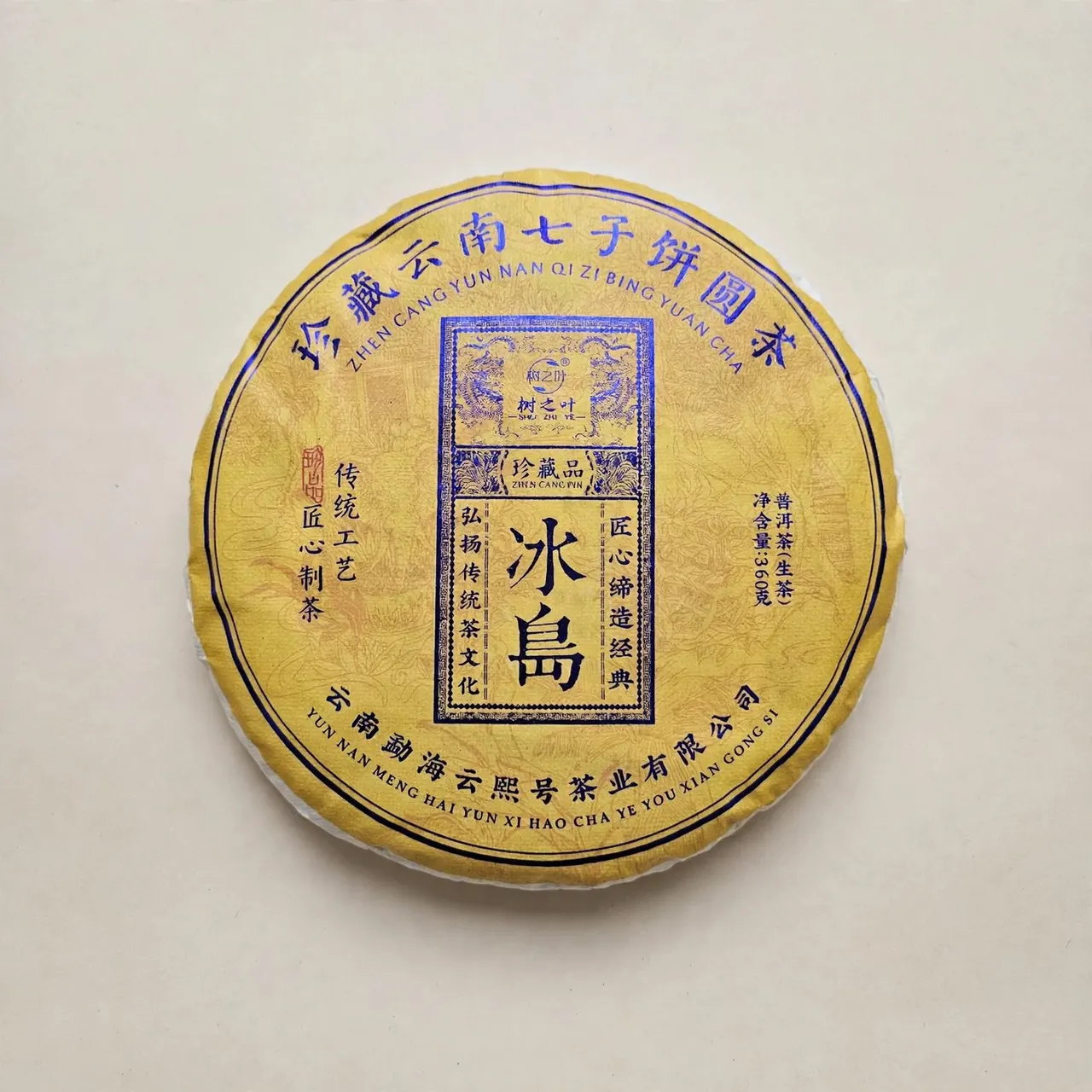
$25.15
Giving Pu-erh as a Gift: How to Choose Well
Tea is a classic gift in Chinese business and family life, and pu-erh cakes are a particularly safe choice: they keep well, they look the part, and they suit almost anyone. But there is a difference between a gift that gets brewed and a gift that gathers dust. A few rules from the seller's side of the counter.
First, match the tea to the person, not to the price tag. For an older relative or a traditional tea drinker, ripe pu-erh is the safer pour — mellow, smooth, easy on an empty stomach, ready to drink now. For a younger colleague who is curious about tea, a raw cake from a famous mountain is more interesting: it comes with a story (the mountain, the year) and it can be kept and watched as it ages. Giving raw tea to someone who has never brewed a cake in their life is the one mismatch to avoid — add a simple gaiwan, or choose ripe.
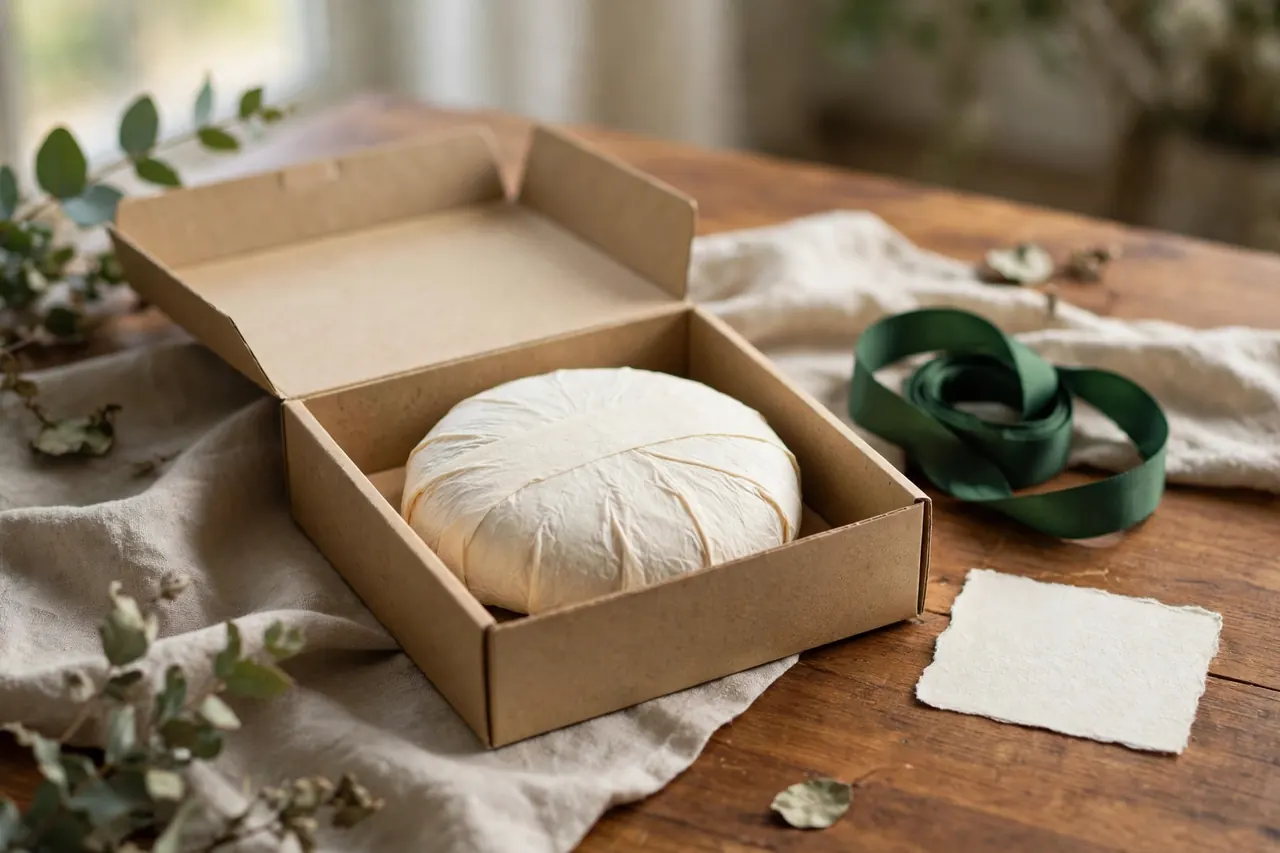
Second, presentation matters more than size. A whole cake in its cotton paper, ideally a tong or a gift box, reads as deliberate and generous. Loose samples and small trial cakes are for your own tasting, not for giving — they look like leftovers no matter how good the tea inside is.
Third, provenance is the gift inside the gift. A cake with the mountain, year and maker clearly printed on the wrapper tells the recipient exactly what they are holding, and it quietly says you chose it properly. Famous-mountain names (Bingdao, Ban Zhang, Yiwu) are widely recognised, which helps — the recipient can look the tea up and find it is a real thing.
Fourth, a line of handwriting beats an expensive box. "This is from Yiwu, mellow and fragrant — try it after dinner" turns a product into a present. If you are buying from us for a gift, tell us in the order note; we can keep the packaging clean and skip any price paperwork in the parcel.
The short version: ripe for elders, famous-mountain raw for the curious, whole cake always, provenance always, and a sentence from you on top.
Teas worth a look
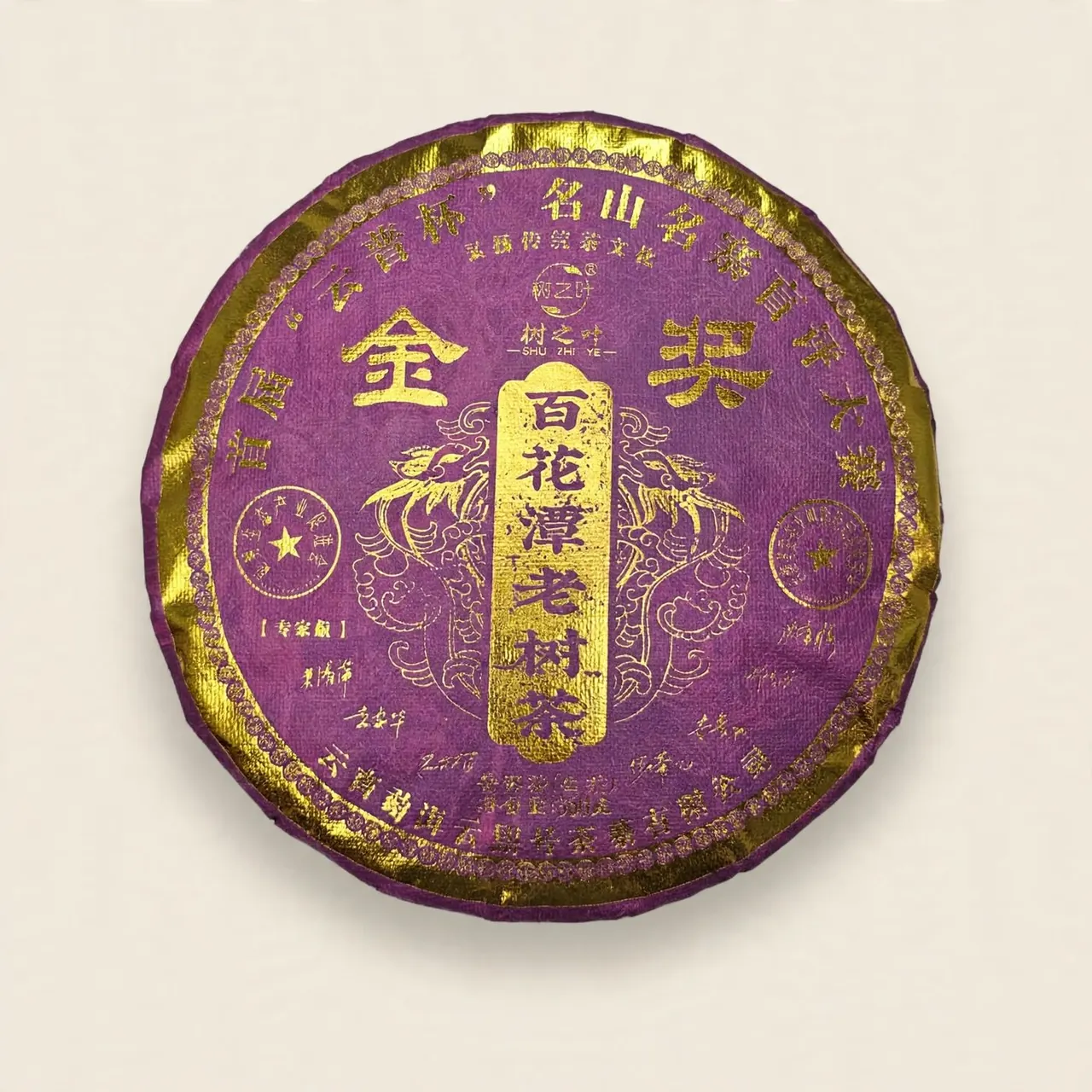
$25.15
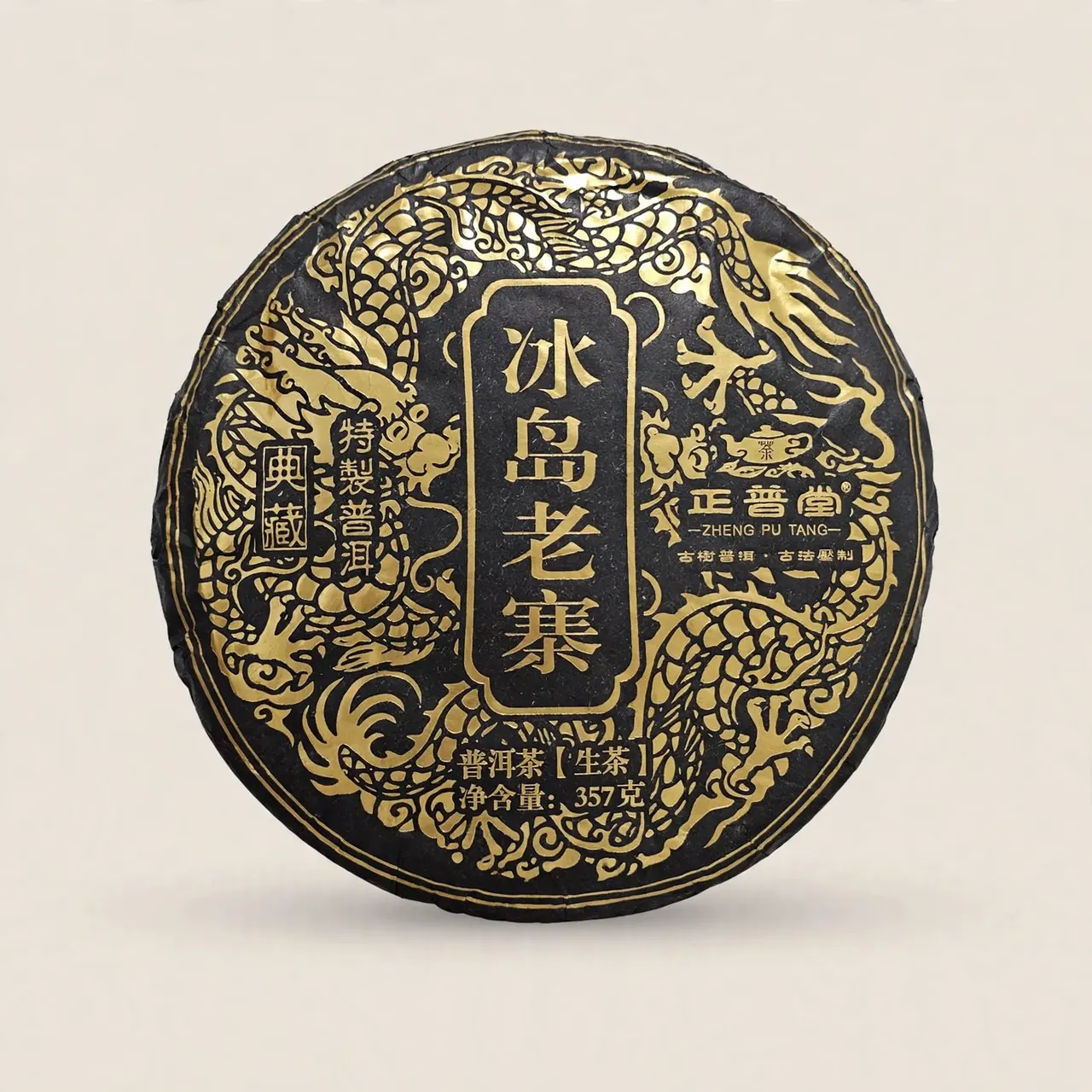
$26.65