
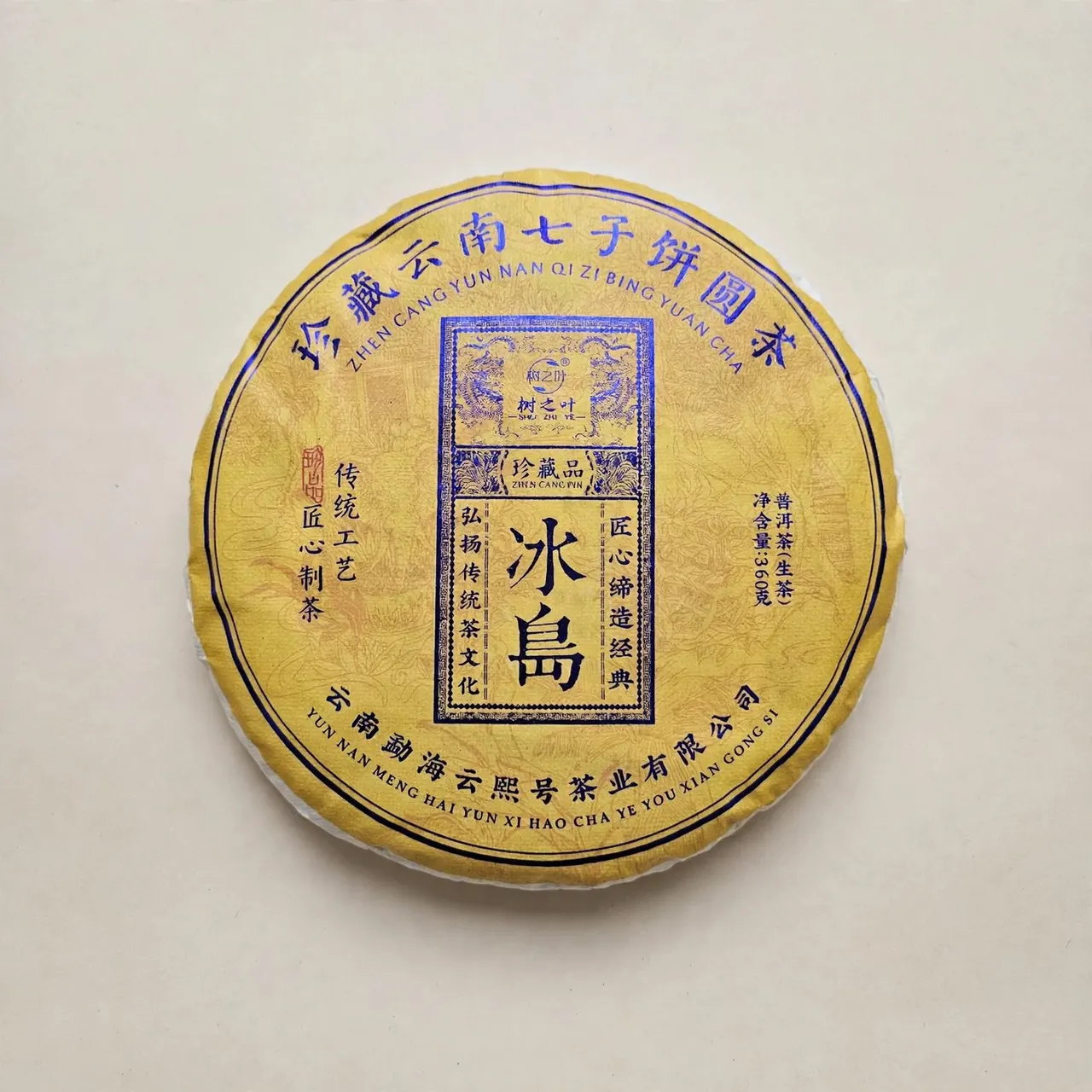
$25.15
Raw and Ripe Pu-erh: What Is the Actual Difference?
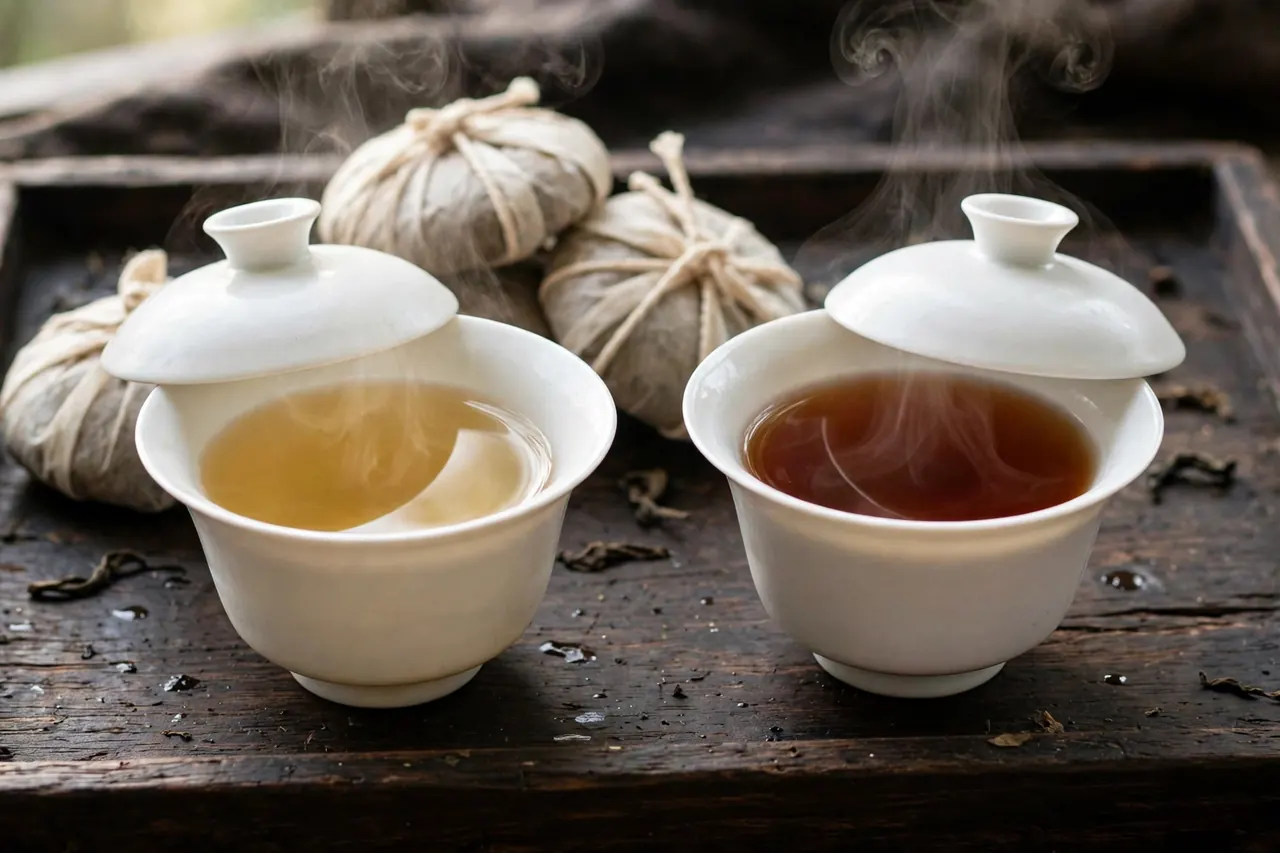
Most first-time pu-erh buyers ask this first. The difference comes down to one step: ripe tea goes through an extra process called pile fermentation.
Raw pu-erh is sun-dried loose tea pressed straight into cakes and left to transform naturally in storage. Young raw tea tastes clean and bright, with high aroma and real strength; over the years the bitterness softens and the cup turns mellow. If you like freshness — and watching a tea change — raw is your side.
Ripe pu-erh is pile-fermented before pressing. The fermentation does the ageing work up front, so ripe tea pours smooth and full from day one: deep red liquor, no bitterness, gentle on the stomach. If you want a tea that drinks well the day it arrives and you like a thick, round cup, ripe is the safer pick.
Neither is automatically pricier — it depends on the leaf and the year. The same mountain often produces both.
If you cannot decide, buy one small cake of each and drink them side by side. Two or three brews in, your own taste will tell you.
Teas worth a look
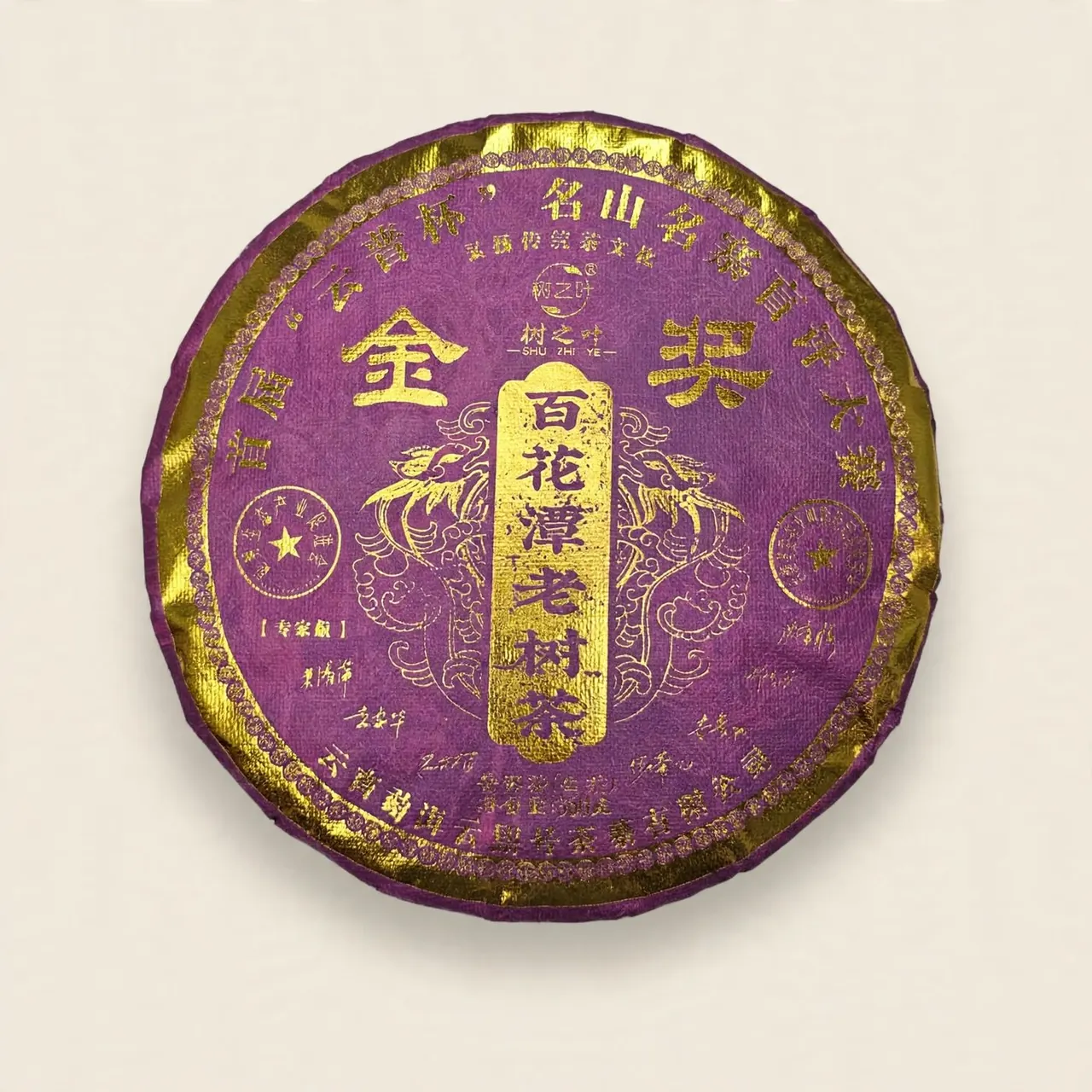
$25.15
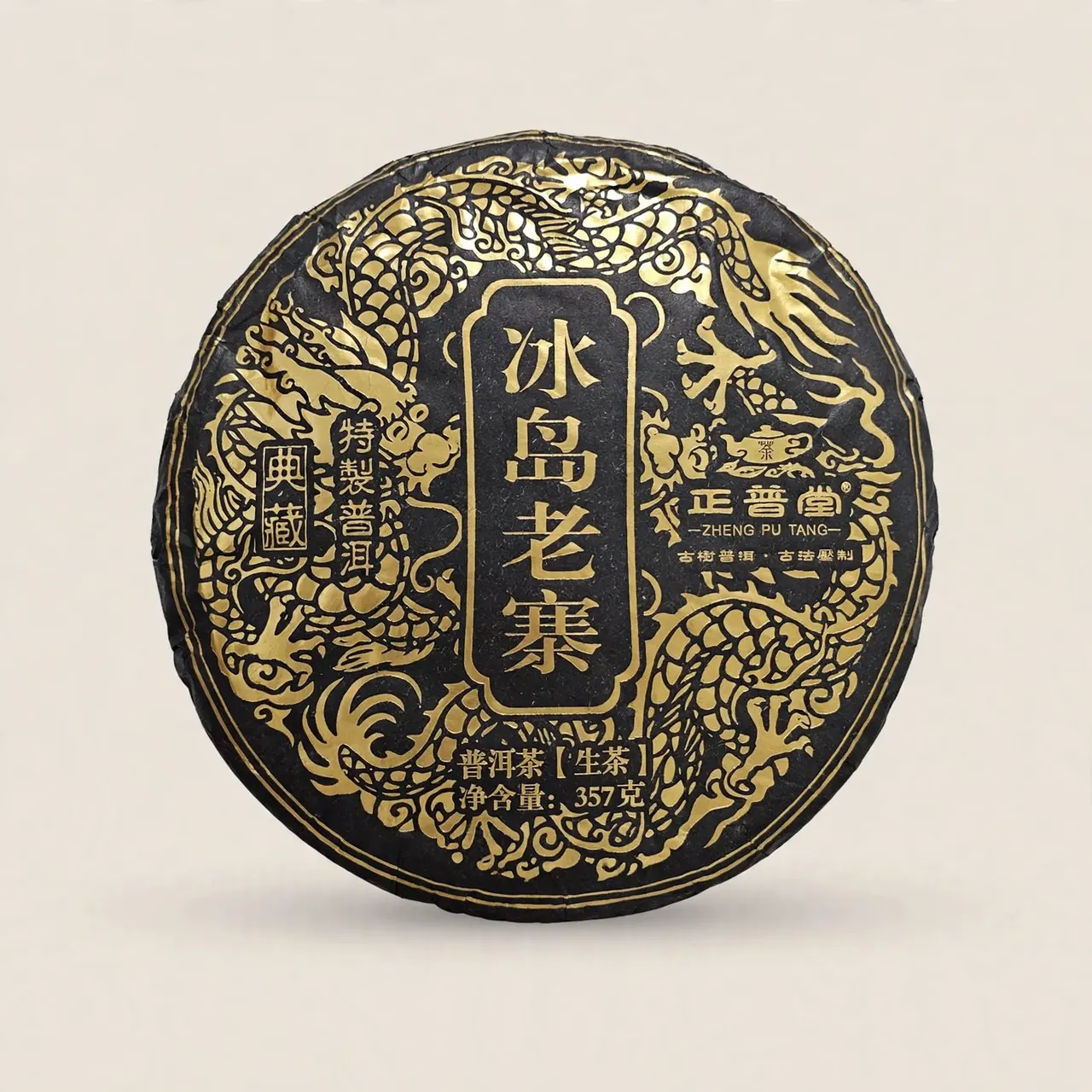
$26.65